
Virtual Humans, Chatbots and Conversational AI
Chatbots have traditionally been relatively simple software programmes that attempt to mimic human conversation, and have been used in a variety of information provision, customer-care, sales, teaching and even medical-care roles. With the advent of Large Language Models (LLMs) such as ChatGPT, Llama and Claude the talk is all about conversational AI, and the capabilities of such systems, particularly as virtual assistants (and in turbo-charged versions of some of their previous roles) are increasing almost month-on-month. As such systems begin to do more than just chat then we get into the realm of the virtual human - as explored in David's 2019 book on  Virtual Humans: Today and Tomorrow.
VIRTUAL HUMANS RESEARCH
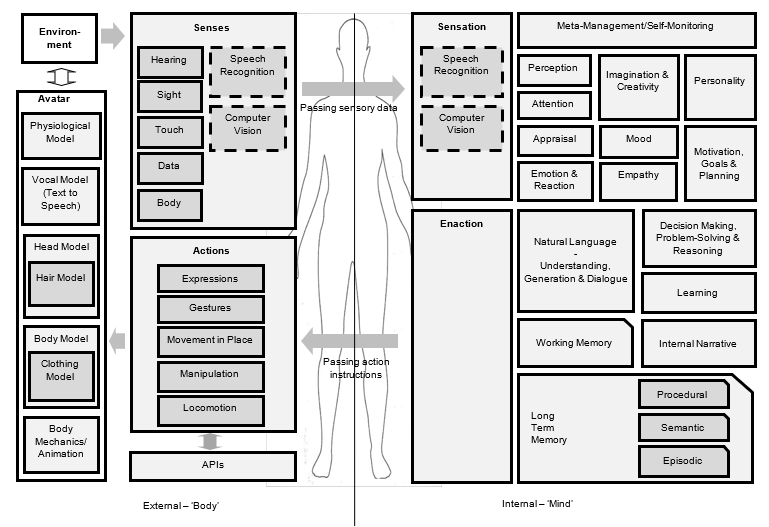
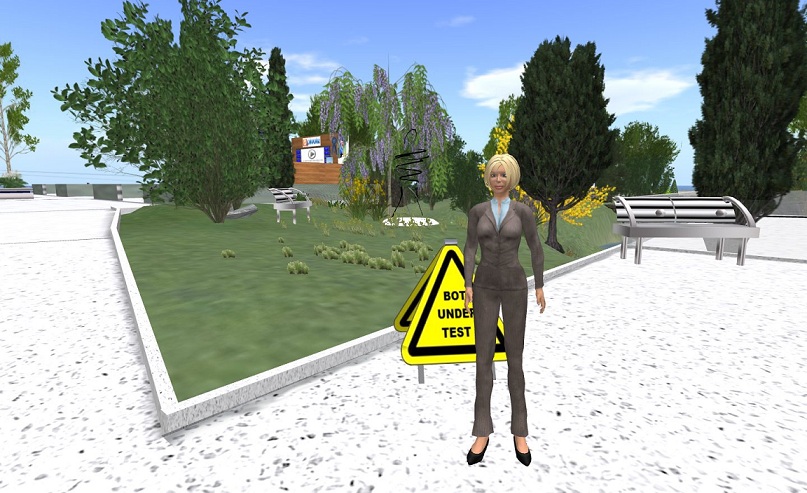
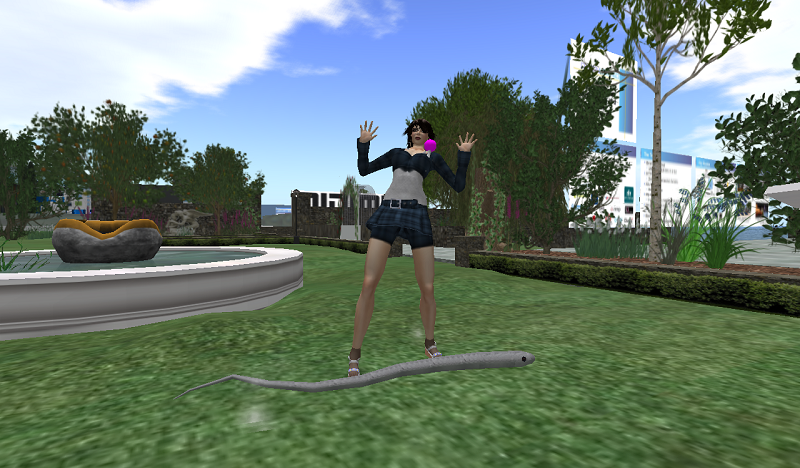
As the Virtual Human book may suggest, David has been active in chatbot and virtual humans development and research for quite some time. A particular area of interest is in embodied virtual humans - what happens when you hook a chatbot or conversational AI system to an avatar in a virtual world. As one of David's papers states, such virtual worlds offer an AI a level playing field - most people will assume the avatar is human driven until it says or does something to disabuse them of that view. David has twice designed chatbots (one in a virtual world and one in a chatroom) that passed a modified Turing Test by leveraging this observation. The diagram below helps to show the two halves of such a virtual human - its avatar "body" and its software "mind".
Working on a virtual human project for UK MOD in the 2010s also brought David hard up against the issue of digital immortality - what happens to a digital copy of yourself when you die? David's main publications in this area are:
Chatbots and Conversational AI: Past, Present and Future (2025) (free White Paper updating relevant parts of Virtual Humans to the era of LLMs)
 Military Applications of Conversational AI (2025) (free White Paper)
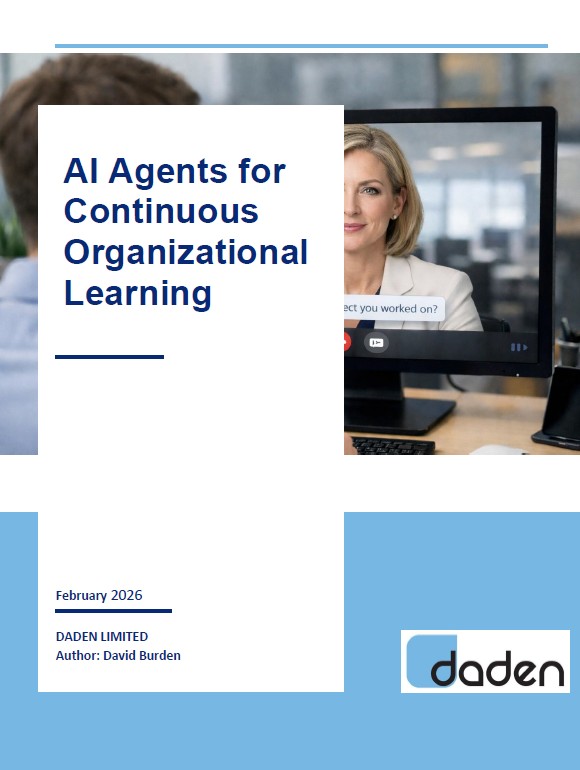 AI Agents for Continuous Organizational Learning (2026), a 28pp free PDF White Paper.
David's work also includes:
- Developing Conversational AI solutions for the MoD (2019), CogX presentation on YouTube
- Covert Implementations of the Turing Test: A More Level Playing Field? (2016)
- Cyber Enigmas? Passive detection and Pedagogical agents: Can students spot the fake? (2016)
- Can Avatars Pass the Turing Test? Intelligent Agent Perception in a 3D Virtual Environment (Gilbert & Forney, 2014), presenting work enabled by David
- 'It's Almost like Talking to a Person': Student Disclosure to Pedagogical Agents in Sensitive Settings (2013)
- Enhancing characters for virtual worlds and interactive environments through human-like enhancements (2011)
- Emotionally Responsive Robotic Avatars as Characters in Virtual Worlds (2009)
- Deploying Embodied AI into Virtual Worlds (2009)
- VIOLA: Concept of a New Cognitive Framework to Enhance the Capabilities of Interactive Service Robots using Virtual Worlds (2009)
- Virtual patients in a virtual world: Training paramedic students for practice (2009)
- A Model of Motivation for Virtual-Worlds Avatars (2008)
Other research papers are on David's ResearchGate page, and thought-pieces are posted to Medium. The Guardian even featured a report that David wrote for UK MOD in a full page article on "the MoD's secret cyberwarfare programme" in 2014.
David has also created a chatbot using the Sensay platform which contains all of the research for his PhD on Urban Wargaming, as well as his work on AI and wargaming.
Sensay platform which contains all of the research for his PhD on Urban Wargaming, as well as his work on AI and wargaming.
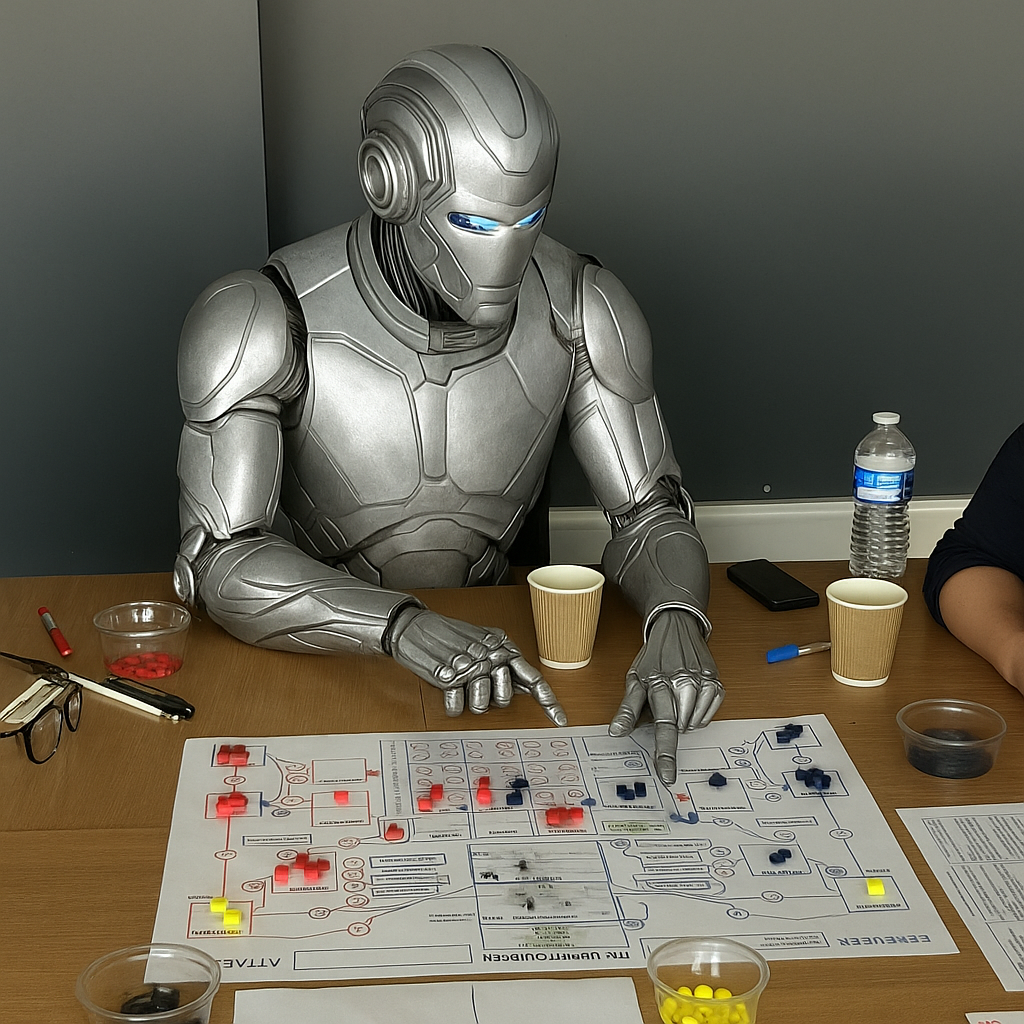
You can chat to the bot at Virtual UrbanWargamer.
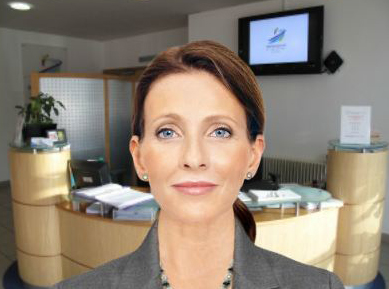
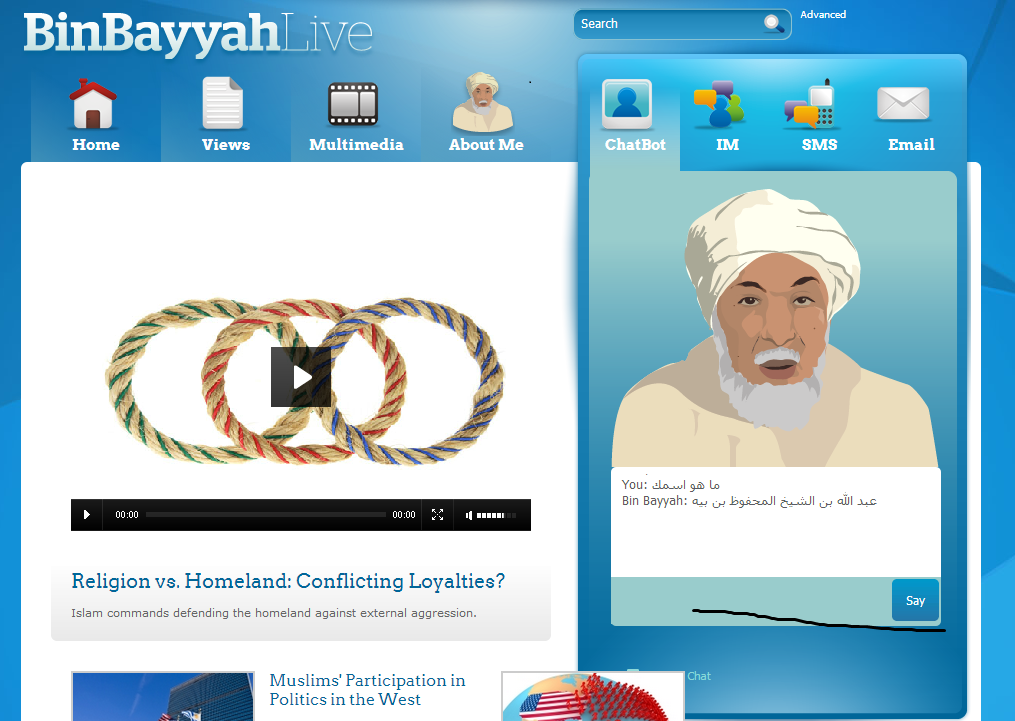
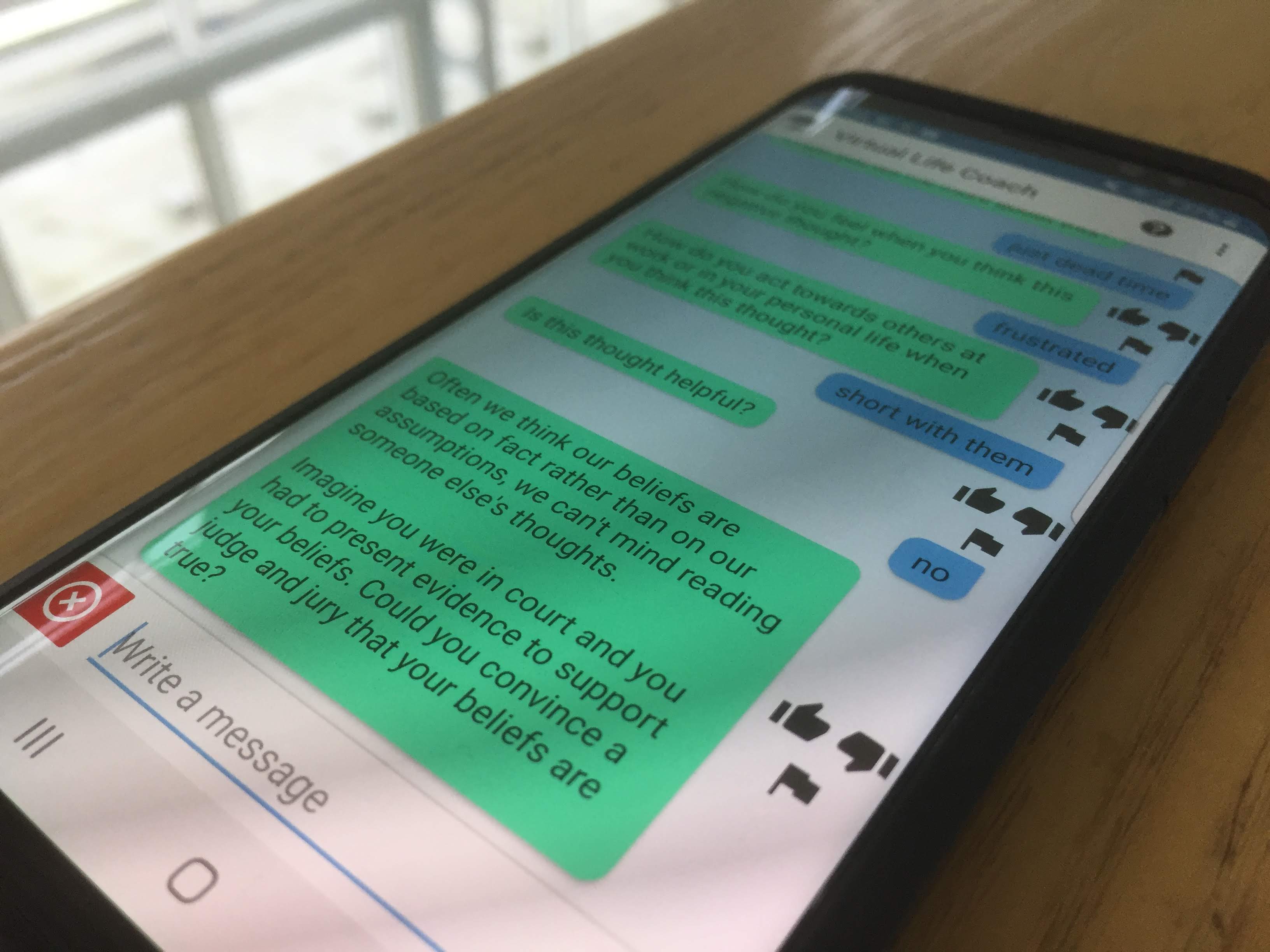
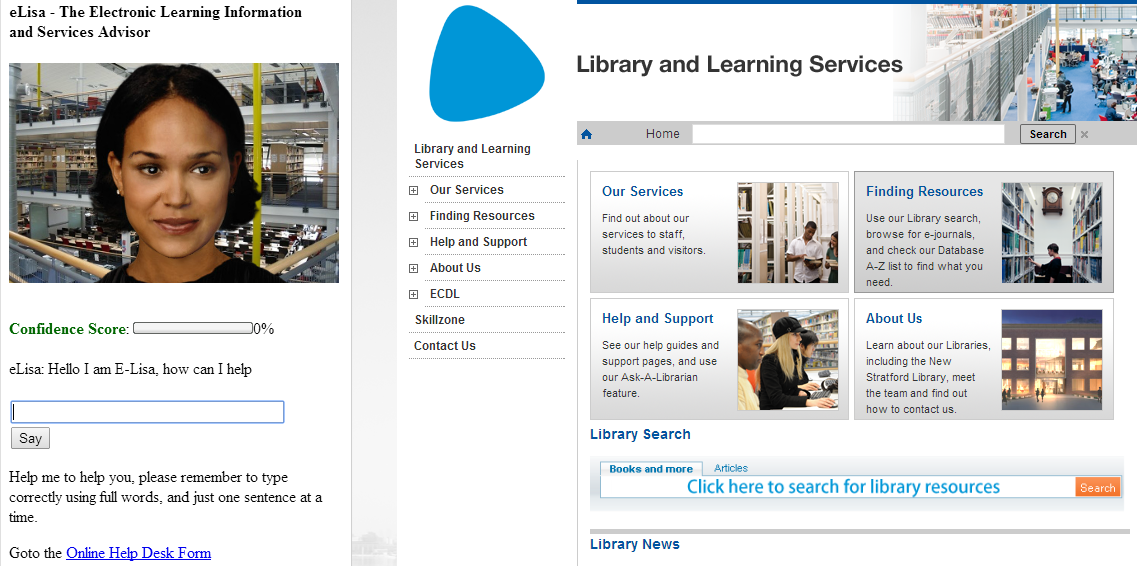
The images below show a range of chatbot/virtual human projects that David has worked on,


VIRTUAL HUMANS AND DIGITAL IMMORTALITY
Although David did a TEDx talk on Digital Immortality back in 2008, it was his Virtual Humans project for UK MOD that showed just how achievable such an entity was becoming, and how in even a more primitive format the issues around the legacy use of virtual replica people were already raising significant ethical and moral issues. Whilst David's short term focus is very much on how virtual humans can contribute to corporate knowledge management and can exist embodied as avatars in social virtual worlds, the longer term implications of virtual humans and digital amortality (something coined by Neal Stephenson in Fall; Or Dodge in Hell) are never far from his mind. Some of David's writings in this area include:
- Building a Digital Immortal (2020), in Digital Afterlife (Savin-Baden & Mason-Robbie Eds.)
- Digital immortality and virtual humans (2019)
- The ethics and impact of digital immortality (2017)
There is also a chapter on the topic in Virtual Humans. David has also been interviewed on the topic by The Wall Street Journal, Al Jazeera, Al Mashhad and others.
The Wall Street Journal, Al Jazeera, Al Mashhad and others.VIRTUAL HUMAN SERVICES
David offers the following services for businesses and organisations trying to get to grips with the virtual humans and conversational AI:
- Introductory talks, seminars and workshops to understand what virtual humans and conversational AI is all about, and its potential (and challenges) for your organisation;
- A customer-friend on virtual human projects;
- Helping to scope, establish, advise and monitor virtual human build and research projects.
Just email him at david.burden@daden.co.uk if you'd like to know more.